More earning potential than a whole-home lease
Renting bedrooms separately can increase total rental income and create room for higher profit after operating costs.
Private bedrooms. Shared spaces. Professional operations. A residential rental model that can create more possibilities for owners and residents.
Discover how Co-Living works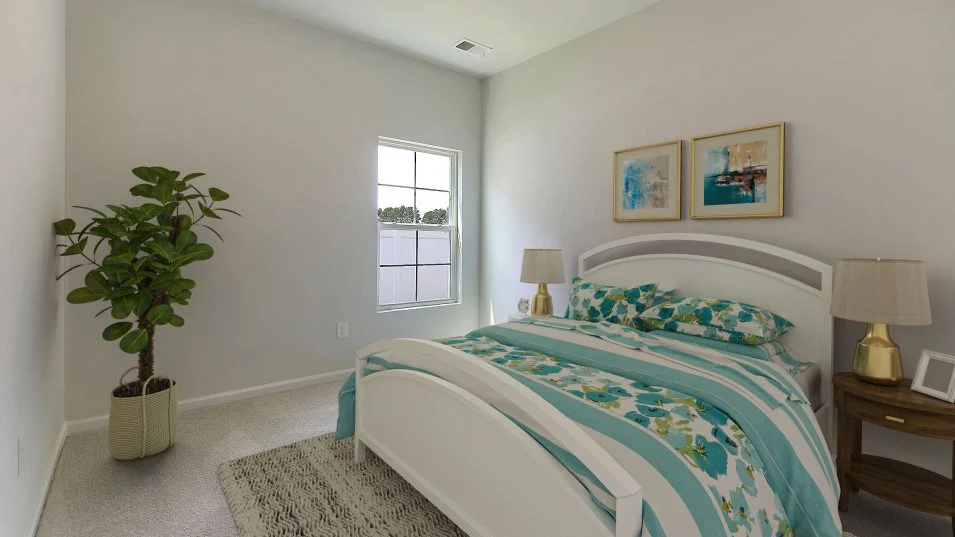
Traditional rental usually means one household leases the entire property. Co-living lets residents rent their own private bedrooms while sharing a kitchen, living room, and bathrooms where applicable.
Residents can access a more affordable, flexible housing option. Owners can generate rent from multiple rooms, with preparation and ongoing management coordinated by SavannahRental.
See how it works| Long-Term Rental | Co-Living | Airbnb / Short-Term | |
|---|---|---|---|
| Rental structure | Entire property | Private bedrooms | Entire property or room |
| Typical resident | One household | Individual residents | Travelers |
| Stay length | Longer term | Medium / longer residential stays | Days / weeks |
| Furnished | Usually no | Usually yes | Yes |
| Income sources | One lease | Multiple rooms | Frequent bookings |
| Turnover | Low | Moderate | High |
| Operating intensity | Lower | Moderate / high | High |
| Income stability | Generally stable | Spread among rooms | Can fluctuate |
| Local restrictions | Rental rules apply | Depends on local rules | Often more regulated |
Renting bedrooms separately can increase total rental income and create room for higher profit after operating costs.
With a whole-home lease, vacancy can pause all rent. With co-living, occupied rooms can keep generating income while another room is being filled.
Longer residential stays can mean fewer check-ins, turnover cleanings, and linen changes, reducing these operating costs compared with frequent short stays.
Room-based income may reduce dependence on a single lease. One vacant room does not necessarily mean an entirely vacant property.
The right layout can put existing space to better use, subject to local rules and property suitability.
Private-room rentals can serve residents who do not need or want an entire home.
Financing, insurance, taxes, utilities, and maintenance all belong in the analysis—not just gross rent.
Practical systems for property setup, pricing, resident communication, house rules, cleaning, and maintenance.
Achieved Gold Host status within approximately six months of co-living operations.
Experience with setup, resident communication, pricing, cleaning, and maintenance.
Structured co-living courses and educational seminars involving PadSplit executives.
References to PadSplit describe educational participation and operating experience, not an official partnership or endorsement.
We assess the whole picture before recommending a strategy. Greater rental income alone does not tell the full story.
August 2026 results supplied by SavannahRental. City and ZIP shown for privacy.
One observed month alongside the supplied whole-home rental baseline—not a guaranteed uplift or an annual forecast.
SavannahRental confirms actual whole-home rent of $2,700 per month for this property. This is the supplied rental baseline for the comparison.
Sources: SavannahRental · actual rent supplied by ownerOne observed month alongside the supplied whole-home rental baseline—not a guaranteed uplift or an annual forecast.
SavannahRental confirms the whole-home listing rent was $3,200 per month. This is a listed asking rent, not a confirmed achieved lease rent or an automated estimate.
Sources: SavannahRental · listing rent confirmed by ownerMembership dues are the report’s collected housing charges. Payout is the platform’s reported disbursement and may reflect fees or adjustments that are not fully visible in these screenshots. Utilities, cleaning, maintenance, management, taxes, insurance, financing, and setup costs still need to be reconciled before calculating owner cash flow.
Sources: owner-supplied earnings screenshots for January–August 2026 and owner-confirmed rental baselines. Pooler uses actual rent; Atlanta uses listed asking rent.
Evaluate the location, layout, and economics.
Decide what makes financial and operational sense.
Coordinate furniture, locks, supplies, and setup.
Prepare listings and launch through suitable channels.
Coordinate residents, cleaning, maintenance, and management.
No. Layout, location, local rules, demand, and operating costs all matter. We start with a property-specific evaluation.
No. Co-living may improve utilization, but net results depend on occupancy, pricing, setup costs, and ongoing expenses.
SavannahRental coordinates the agreed scope of resident communication, cleaning, maintenance, and ongoing management.
Start with your property. Build a strategy around it.